USEDTRUCKTIRE.COM
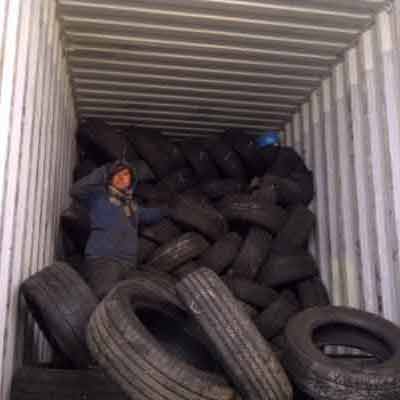
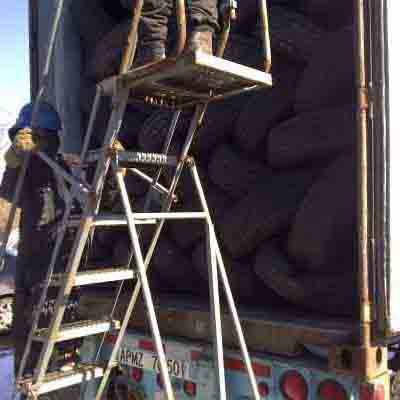
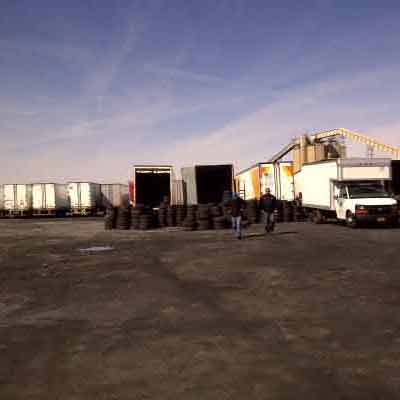
USED TRUCK TIRES, THE INTERNETS LEADING WEBSITE DEDICATED TO USED TRUCK TIRES ,USEDTRUCKTIRES IN CONTAINER LOADS FOR EXPORT
USEDTRUCKTIRE.COM


USEDTRUCKTIRE.COM
THE WEB'S LEADING ONLINE USEDTRUCKTIRE  WEBSITE
DEDICATED TO THE USED TIRES WHOLESALE AND INTERNATIONAL EXPORTING OF USED TRUCK TIRES.
  USEDTRUCKTIRE.COM IS DESIGNED FOR USEDTIRE DEALER'S

Wholesale Used Tires
Used Tires for sale
SALES@USEDTRUCKTIRE.COM


INTERNETS LEADER IN USED TRUCK TIRES,                           


WWW.USEDTRUCKTIRE.COM


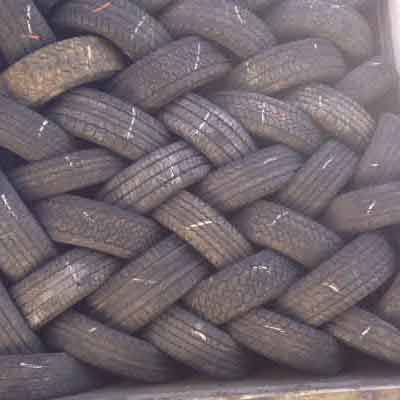
WE CARRY A FULL LINE OF QUALITY USED TRUCK TIRES WWW.USEDTRUCKTIRE.COM THE INTERNETS LEADING ONLINE SELLER OF USED TRUCK TIRES. 
WE OFFER CONTAINERLOADS DIRECT TO YOUR DOOR.
IF YOU NEED USED TIRES FOR CARS,WORLDWIDE
USEDTIRES.COM   HAS THEM CONTACT USEDTIRES.COM THE INTERNETS LEADER IN USED TIRES FORE SALE  SALES@USEDTIRES.COM 

900-20

1000-20

11.225

12.225

11.245

12 24.5

 TIRE DICTIONARY

Air pressure: Force exerted by air within a tire, expressed in pounds per square inch or kilopascals.


Aspect ratio:

The dimensional relationship between tire section height and section width; section height divided by section width. 

Bead: The area of the mounted tire which seats against the wheel.

Bead filler: A rubber extrusion in the bead area of a tire; used to permit a smooth contour of casing plies around the bead and to the lower sidewall. Also used in enlarged form to stiffen the lower sidewall of a tire.

Bead seat: The position where the tire rests and seals on the inside of the rim.

Belted bias tire: A bias tire with additional reinforcing belt(s) between the casing plies and the tread.

Bias tire: A tire built with two or more casing plies which cross each other in the crown at an angle of 30 or 45 degrees to the tread centerline.

Body: Tire structure except for tread and sidewall rubber.

Bulge: Acceptable section repair in a radial tire not to exceed 3/8" (9.6mm) in height. This "bulge" may be identified by a blue triangular label.

Cap and casing: A commercial truck tire that has been retreaded; usually bought as an emergency replacement.

Carcass:   Used tire suitable for retreading the body of a tire; another term for casing.

Casing:    Used tire  suitable for retreading the main body of a tire; includes the sidewall, steel belts (if applicable), and surface underneath the tread of a tire.

Cold inflation: The pressure in a tire that has been driven less than 1 mile or has been standing for three hours or more.

Compounding: Refers to the mixture of ingredients that go into the rubber used in a tire. Different chemicals or types of compounds affect wear, traction, cut resistance or other properties of a tire.

Cross section width: External sidewall to sidewall measurement of inflated tire, exclusive of ornamental ribs and lettering. Sometimes called section width.

Crown: The region between the shoulders of the tire.

Cure: To vulcanize; also time and temperature conditions used to vulcanize a tire.

Custom retreading: The service provided when used tires are brought to a technician for retreading.

DOT: A tire branding symbol which denotes the tire meets requirements of the Department of Transportation.

Drive position: Axle providing steering power to the vehicle (i.e., front wheel drive)

Duals: Two tire and wheel assemblies, mounted on one side of an axle.

Dual position: Tandem wheels, such as on a tractor-trailer.

Durometer: A measure of the hardness of a rubber compound; its resistance to penetration of a spring-loaded blunt needle.

Footprint: The mark left by a loaded tire's tread as it comes in contact with the road surface.

Green tire: A tire which has not been vulcanized or cured.

Grooves: Circumferential channels between the tread ribs of a tire.

Gross Vehicle Weight (GVW): The total weight of the vehicle, including passengers, fuel, cargo and attachments.

Gross Vehicle Weight Rating (GVWR): The maximum permissible loaded weight of the vehicle and takes into account the capabilities of the engine, transmission, frame, spring, brakes, axles and tires. The GVW must not exceed the GVWR.

H-Rated: A speed rating category for tires which is used on vehicles with a top speed up to 130 mph.

Innerliner: The layers of low permeablity rubber which are laminated to the inside of a tubeless tire to insure the air retention quality of the tire body.

Load-carrying capacity: the load a particular size tire can carry at a given inflation pressure under certain driving conditions, as established by the Tire and Rim Association.

Lock Ring: The third piece of a 3-piece rim assembly which locks the side ring to the rim base.

Lower sidewall: The part of the sidewall nearest the bead.

LT-Metric: A sizing system using the section width in millimeters, aspect ratio, type of construction and rim diameters in inches (e.g.: LT235/85R16).

LTP-Metric: A new (1992) light truck personal use sizing systems using the section width in millimeters, aspect ratio, type of construction and rim diameters in inches (e.g.: LTP235/75R15).

M+S, M/S or M&S: a tire sidewall designation indicating that the tire meets the RMA definition of a mud and snow tire.

Metric Tire Size System: A tire sizing system using the cross section in millimeters, aspect ratio, speed category, tire construction and the rim diameter in inches (e.g.185/70SR13).

Multi-Piece Rim Assembly: A rim consisting of more than one part. Usually two pieces (rim base, and side ring) or three pieces (rim base, side ring and lock ring) for use with tube type tires.

NHTSA: National Highway Traffic Safety Administration.

Overinflation: The inflation of a tire above recommended pressure to achieve improved performance; negative byproducts are rough ride, bruise damage and suspension system strain.

P-Metric System: A tire sizing system using the section width in millimeters, aspect ratio, type of tire construction and rim diameter in inches (e.g.: P225/70R15).

Plies: The layers of fabric that make up the cord body of a tire.

Polymer: A chemical compound made up of a large number of identical components linked together like a chain.

PSI: Pounds per square inch.

Pull stage: The recommended end of a tire tread's useful life; measured in 32nds of an inch deep.

Radial tire: A tire built with casing plies that cross the crown at an angle of 90 degrees.

Recap: Another term for a retreaded tire.

Retread: A used tire casing which has new tread rubber applied to it.

Ribs: The rubber elements at the tire tread which contact the ground, oriented in a generally circumferential direction.

Rim: The component that supports the tire and contains the inflation pressure. It may be single piece or multi-piece.

S-Rated: A speed rating category for vehicles with a top speed up to 112 mph.

Section height: the distance from the bottom of the bead to the top of the tread.

Section width: The distance from sidewall to sidewall, exclusive of any raised lettering.

Shoulder: Outer edges of tire tread.

Sidewall: The portion of a tire between the thread shoulder and the rim bead.

Sipes: Small, narrow slots molded into the ribs of the tread design which increases the traction edges of the tire and increases the traction ability of the tire on wet pavement.

Speed rating system (Speed Category Markings): An alphabetical system describing a tire's capability to travel at established and predetermined speeds.

Steel Belt: A belt material used in tires. Its high stiffness provides good handling and low tread wear.

Steer position: Front tires that actually steer the vehicle.

.

Top Cap Treading: Only the top or tread (crown) area is buffed and a tread rubber with abrupt shoulder applied. This type of treading is used mostly on truck tires in highway service where appearance is not as important as economy.

Trail position: Axle not providing steering power to the vehicle

Tread: The grooved or patterned exterior part of the tire which contacts the road surface.

Tread buffing: A process in which a portion of the tire tread is removed by buffing or grinding it down: similar to tread shaving.

Tread depth: The distance measured near the centerline of the tire, from the base of the tread design to the top of the tread.

Tread grooves: The space between two adjacent tread ribs, lugs or bars.

Tread life: Length of service in miles before the tread wears out.

Tread radius: The radius of curvature of the tread arc across the tread.

Tread rib: A tread section running circumferentially around a tire.

Tread rubber: Compounded natural or synthetic rubber that is placed on a buffed casing and vulcanized to produce a new wear surface.

Tread wear indicators: Narrow bars of rubber molded at a height of 2/32" (1.6mm) across the bottom of the tread grooves. When the tread wears to these bars, the tire should be replaced.

Tread width: The tread width is the distance from outer edge to outer edge of the tread.

Underinflation: A tire having less than recommended air pressure for the load carried. The tire could build up excessive heat that may be dangerous and result in sudden tire destruction.

Undertread: The rubber between the base of the tread and the tire body.

Undulation: A slight indentation or wavy appearance on the sidewall surface of an inflated radial tire. Radial body ply cords run straight across the tire from bead to bead and the joining of the ply material in the sidewall area may sometimes cause this condition.

Valve Stem: The tube through which air flows in or out of a tube or tubeless tire.

Variable Integrated Pitch: Variations in angles and sizes of a tire's tread elements that reduce ride noise levels.

Veneering: Application of a thin layer of rubber materials used in bead-to-bead retreading to cover the prepared sidewall.

V-rated: A speed category for vehicles with a top speed of more than 130 mph. Load index V-speed rated capped at 149 mph.

Vulcanization: The linking together, under heat and pressure, of rubber compound polymers which changes material from a sticky, putty-like substance to an elastic, bouncy substance.

Wide Oval Tire: One which has an aspect ratio lower than 75. The Wide Oval design has several advantages other than striking appearance, such as greater handling stability.

Z-Rated: A speed category for a vehicle of a top speed of more than 149 mph.

Zero Offset: A condition where the centerline of the wheel coincides exactly with the mounting face.


USED TIRE- A TIRE REMOVED FROM A VEHICLE,WHICH IS STRUCTURUALLY SOUND, INTACT AND HAS A TREAD DEPTH GREATER THAN THE LEGAL LIMIT WHICH IS SUITABLE FOR REUSE.THIS IS THE HIGHEST FORM OF RECYCLING.REUSE...BUY USED TIRES ,REUSE IS RECYCLING.

REUSE IS RECYCLING THE PURCHASE OF USED TIRES IS AN ENVIROMENTALLY SOUND PURCHASE HELP KEEP GOOD SERVICEABLE USED TIRES FROM OUR LANDFILLS BEFORE THEIR TIME...BUY USED TIRES......................USED TIRES, REUSE IS RECYCLING ! 


TIRE DEALERS YOU CAN ADVERTISE DIRECTLY TO BUY AND SELL USEDTRUCKTIRES,CONTACT US VIA FAX -561-245-8236 WE WILL LIST YOUR TRUCK TIRES FOR SALE ...A GREAT WAY FOR TIRE DEALERS TO MEET ONLINE AND TRADE TRUCK TIRES..USED TRUCKTIRES. THIS WEBSITE /DOMAIN IS FOR SALE!!!EARN $$WITH PAY PER CLICK WHILE YOU SELL YOUR TRUCKTIRES..

BE SURE TO VISIT.


www.usedtires.com


www.usedtire.com


www.tiresources.com


www.squeakywheelblog.BLOGSPOT.com 


What happens to the rubber at the end of the road ?


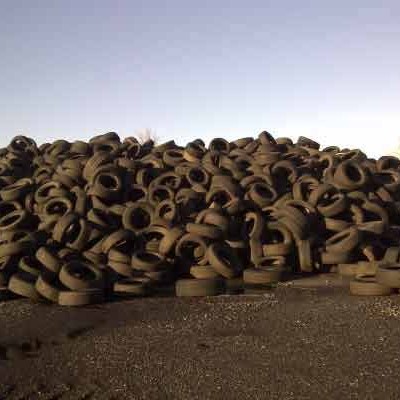
At  the end of 2007, the U.S. generated approximately 290 million scrap tires. Historically, these scrap tires took up space in landfills or provided breeding grounds for mosquitoes and rodents when stockpiled or illegally dumped. Fortunately, markets now exist for 80.4% of these scrap tires?up from 17% in 1990. These markets?both recycling and beneficial use?continue to grow. The remaining scrap tires are still stockpiled or landfilled, however.

In 2003, markets for scrap tires were consuming 233 million, or 80.4 %, of the 290 million annually generated scrap tires:

130 million (44.7%) are used as fuel
56 million (19.4%) are recycled or used in civil engineering projects
18 million (7.8%) are converted into ground rubber and recycled into products

12 million (4.3%) are converted into ground rubber and used in rubber-modified asphalt
9 million (3.1%) are exported as used tires
6.5 million (2.0 %) are recycled into cut/stamped/punched products
3 million (1.7%) are used in agricultural and miscellaneous uses

Another 16.5 million scrap tires are retreaded. After any retreading has been performed, 290 million scrap tires are generated. About 27 million scrap tires (9.3%) are estimated to be disposed of in landfills or monofills.    

*Many used tires are exported to foreign countries to be reused,or as retreads, especially in countries with growing populations of automobile drivers such as  Brazil, Dominican Republic, El Salvador,Honduras,Guatemala,Panama and Mexico
 Mexico According to Mexico's National Association of Tire Distributors, as many as 20% of tires sold in Mexico are imported as used tires from the US and then retreaded for reuse. Some foreign countries also import tires to be shredded and used as crumb rubber, or to be used as fuel. 
 .


USED TIRE- A TIRE REMOVED FROM A VEHICLE,WHICH IS STRUCTUALLY SOUND, INTACT AND HAS A TREAD DEPTH GREATER THAN THE LEGAL LIMIT WHICH IS SUITABLE FOR REUSE.THIS IS THE HIGHEST FORM OF RECYCLING.REUSE...


REUSE IS RECYCLING THE PURCHASE OF USED TIRES IS AN ENVIROMENTALLY SOUND PURCHASE HELP KEEP GOOD SERVICEABLE USED TIRES FROM OUR LANDFILLS BEFORE THEIR TIME...BUY USED TIRES......................


SCRAP TIRE- A RUBBER TIRE DISCARDED BECAUSE IT HAS NO FURTHER USE/VALUE AS A TIRE OR CASING FOR A RETREADED TIRE,BUT CAN BE REUSED OR PROCESSED FOR APPLICATIONS NOT ASSOCIATED WITH IT'S ORIGINAL USE

PLEASE VISIT OUR BLOG

WWW.USEDTIRES.BLOGSPOT.COM

Saturday, March 29, 2008

GENERIC DOMAINS MAKE A DIFFERENCE!

Generic Domains make a difference!
WHATS IN A DOMAIN NAME, MAKES A DIFFERENCE(Letter to Tirebusiness the trade publication )Dear Editor,This tire dealer wants to thanks you and Jeff Kip and Kathy McCarron for great in depth coverage about the internet,how it works why it works and is usefulness in obtaining customers and maintaining them.The emphasis about a WEB Presence can not be understated.We at Used Tires Inc.were fortunate enough to buy the Generic Key Words that pertain to our particular segment of the tire industry we operate http://http://www.usedtires.com/and http://http://www.usedtire.com/ and http:// www.usedtrucktire.com amongst other geneic URL's we own and then thru Domain FOWARDING POINT TO OUR OPERATIONAL DOMAINS.Tire Dealers need to understand how people search the internet and how they wind up at your site.The importance of links.... KEYWORDS and "Search EngineOptimization" and "Search Engine Marketing" and why and how people get driven to or click on your website from the landing page on the search engine they used.Direct Navigation which means the user bypasses a search engine and types the name of whatever thing they are searching for Directly into the Browser acoount for 10-20 percent of all searches giving domain owners with generic terms(usually the dotcom version) an extra advantage and usually a piece of intellectual property worth tens of thousands,hundreds of thousands if not more. In our indusry the following are the 15 most searched words or phrases Singular and plural version.according to overture.com1-tire2-discounttire 3-canadiantire 4-wheelsandtire
5 -tirerack 6-tiredealer 7- goodyeartire 8-trucktire
9- coopertire10-usedtire11-motorcycletire12-michelintire
13-cartire14-bigotire15-atvtireI hope in the future you will continue possibly with a series of articles bringing all tires dealers into the internet age and helping all of us maximize the net for our business's.Possibly covering the importance of Unique vistors and Page Views,AS WELL AS FROM WHAT AREA THE SURFERS IP IS FOR IDENTIFYING GEOGRAPHICALLY WHO IS VISITING....AND HOW TO CONVERT THESE METRICS INTO SALES!!!As well as how pay per click advertising (SEARCH ENGINE MARKETING) such as Google Adsense has turned ordinary website owners such as
www.usedtire.com and www.usedtires.cominto an advertising billboard on the net........Generating $$revenue for us in addition to our tire sales...Tirebusiness itself in additon to selling its print and direct online ads is also an Google adense publisher serving up tire related ads that match you sites content......Howard Levy, President Used Tires Inc.posted by SQUEAKYWHEELBLOG.COM at 2:26 PM


SALES@USEDTRUCKTIRE.COM


BE SURE TO VISIT WWW.SQUEAKYWHEELBLOG.BLOGSPOT.COM

FOR THIS TIRE DEALERS THOUGHTS AND OPINIONS...........................................................


WWW.TIRESOURCES.COM


THANKS FOR VISITING WWW.USEDTRUCKTIRE.COM


Web Hosting Companies